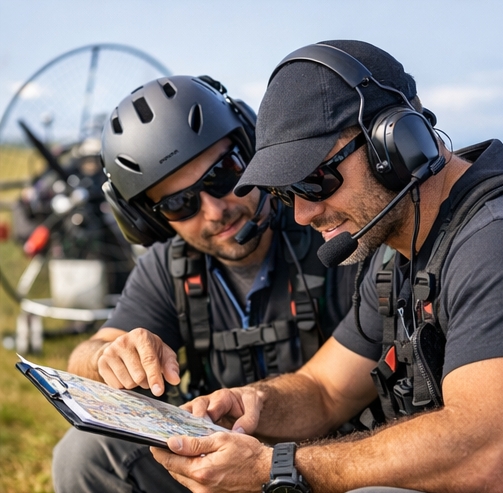
Training Pathways

Structured instruction for foot-launch and trike students

Training is built around safe progression, repeatable habits, calm coaching, and real readiness. The goal is not rushing to fly. The goal is building judgment, consistency, and confidence you can trust later.
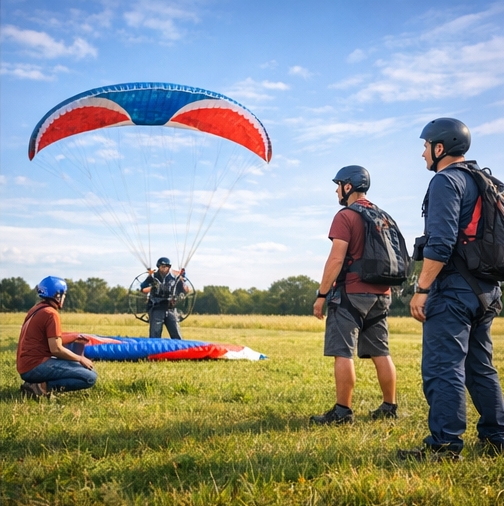
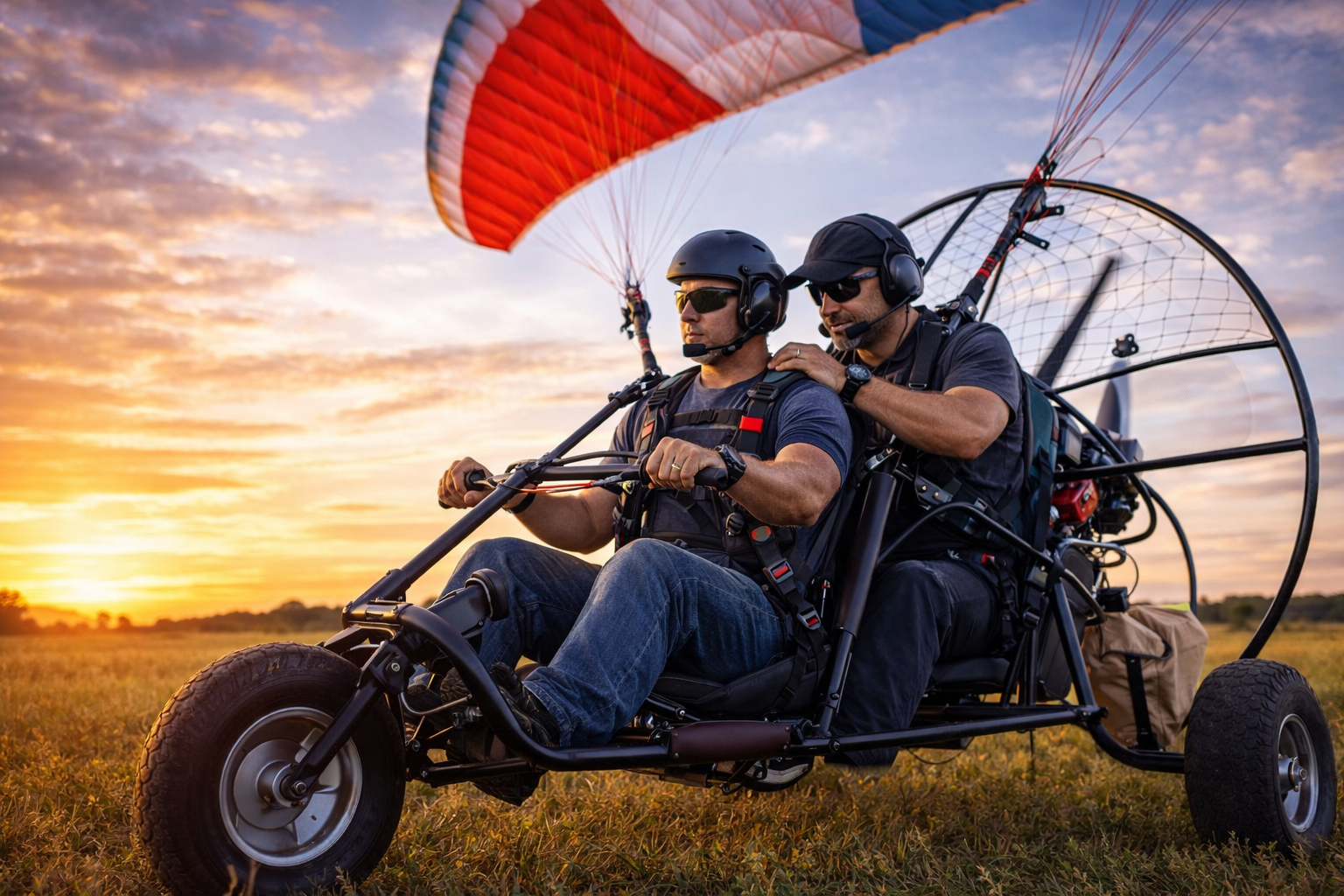
Ground training and layout practice

Foot-launch paramotor pathway

Ideal for students who want the traditional powered paraglider route. Training focuses on wing control, launch discipline, throttle control, approach planning, landing habits, and conservative conditions.

  • Ground school and weather basics
  • Kiting and wing control
  • Launch and abort decision-making
  • Radio-coached flights
  • Landing pattern discipline
Powered paraglider trike setup

Trike pathway

A great fit for students who prefer a trike-based training route. Instruction emphasizes safe procedures, taxi/ground handling awareness, system familiarity, and progression only when standards are solid.

  • Trike systems and setup
  • Ground handling and procedures
  • Conservative operating mindset
  • Structured supervised progression
  • Safety-first expansion of conditions

How training is structured

Clear expectations at each phase

1
Ground school
Safety mindset, field routines, weather awareness, risk management, equipment familiarity, and planning discipline.
2
Equipment setup and inspection
Building repeatable pre-flight habits, organization, and equipment checks that reduce mistakes under pressure.
3
Handling and control development
Wing control, body position, throttle awareness, abort criteria, and clean execution under coaching.
4
Flight progression
Radio-coached objectives, pattern work, landing repetition, and post-flight debriefs that reinforce safe judgment.
5
Independent decision-making
Go / no-go decisions, site assessment, weather discipline, and long-term habits that support safe continued flying.
Safety equipment detail

What makes the program different

Calm coaching, conservative standards, real-world habits

Students benefit from clear instruction, structured sessions, conservative weather calls, and feedback that improves both skill and judgment. The emphasis is on staying safe and becoming consistent.

Important: Every student progresses at a different pace. Advancement is based on readiness, not pressure.

Who this is for

New students, returning students who want a refresher, and current pilots looking to tighten fundamentals and improve decision-making.

What to bring

Comfortable clothing, hydration, notepad, and any gear you already own. We can also help you evaluate gear needs before buying.

Scheduling

Training sessions are scheduled around safe weather windows and field conditions. Approved students receive a waiver link before training.